Navigating NDIS Plan Management Without the Headache
For many NDIS providers, the first operational bottleneck doesn’t appear in rostering or staffing—it appears in plan funding and invoicing.
A participant has funding available, but the category is unclear.
An invoice is submitted, but the support item is incorrect.
Payment is delayed because no one is certain whether the expense passes the “reasonable and necessary” test.
Multiply this across dozens of participants, and small administrative issues quickly become operational friction.
This is where NDIS plan managers quietly play a critical role—keeping funding compliant, invoices accurate, and payments moving.
Why Plan Management Matters in the NDIS System
The way an NDIS plan is managed directly affects how easily services can be delivered.
Participants typically choose between three management models:
-
Agency Managed
Minimal administration for the participant, but services must come from registered NDIS providers. -
Self-Managed
Maximum flexibility, but the participant becomes responsible for invoices, payment processing, and audit compliance. -
Plan Managed
The balance between freedom and compliance. Participants can choose both registered and non-registered providers while a professional manager handles financial administration.
For many NDIS providers, plan-managed participants create the smoothest operational experience. Invoices are processed through structured systems, spending is tracked against the NDIS price guide, and compliance checks happen automatically.
This approach reduces payment disputes and ensures providers are paid on time.
Protecting Budgets While Staying Within NDIS Rules
The NDIS Price Guide often appears restrictive at first glance, but it actually serves an important purpose: protecting both participants and providers from pricing disputes.
The guide sets maximum price limits for support, ensuring that services remain fair and consistent across the sector.
Before approving a purchase, most Plan Managers assess whether the support meets the NDIS requirement of being “reasonable and necessary.”
This assessment typically looks at three factors:
-
Disability relevance – Does the support directly address the participant’s disability needs?
-
Value for money – Is the cost reasonable compared with market alternatives?
-
Everyday living costs – Is the expense something most people would normally pay for themselves?
For providers, this process ensures claims are more likely to pass NDIS scrutiny, reducing the risk of rejected invoices later.
Real-time tracking systems also allow participants and providers to monitor funding balances, preventing overspending before it happens.
Managing Invoices Without Operational Friction
For many NDIS providers, invoicing is one of the biggest sources of administrative workload.
Manual processes, unclear service agreements, and missing invoice details can delay payments or require repeated corrections.
Plan Managers help standardise this process.
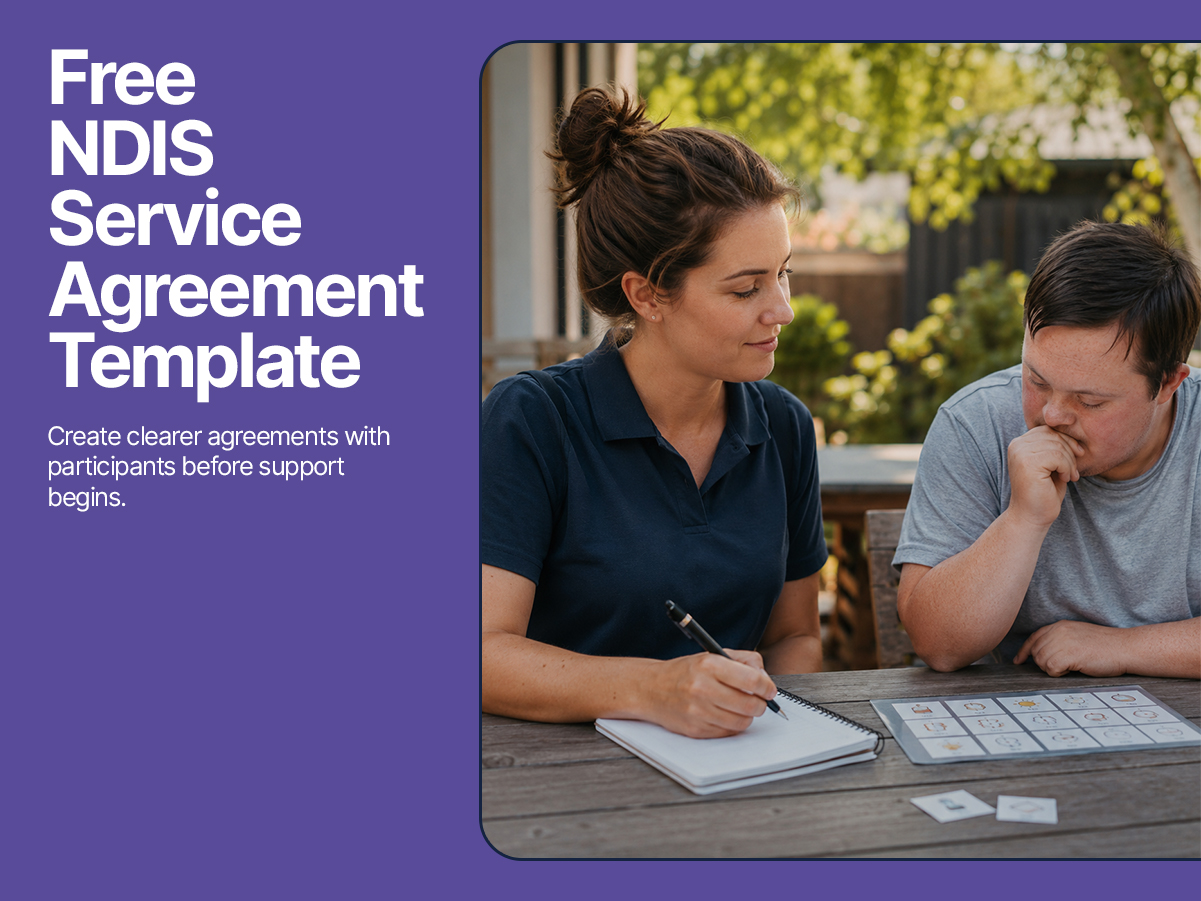
Before services begin, clear service agreements outline pricing, cancellation rules, and service types. These agreements act as the operational blueprint for how invoices should be processed.
When invoices are submitted, the Plan Manager checks several key details:
-
Date of service
-
Number of hours delivered
-
Provider ABN
-
Correct NDIS support item
This review ensures invoices align with NDIS requirements before they are submitted for payment.
For providers, this reduces payment delays and removes the need to chase compliance documentation later.
Why Systems Matter for NDIS Operations
As the NDIS sector grows, manual administration becomes harder to sustain.
For NDIS providers managing dozens of participants and support workers, spreadsheets and disconnected systems quickly create operational bottlenecks.
Modern NDIS software platforms are designed to remove this friction by connecting:
-
rostering
-
participant records
-
invoicing
-
compliance tracking
-
financial reporting
Platforms like Dayspring Care (DSC) reflect this shift. Instead of juggling separate systems, providers can manage workforce scheduling, participant data, and financial workflows within one connected environment.
This integration reduces double entry errors, improves payment visibility, and ensures compliance processes happen in the background rather than becoming a daily administrative burden.
Your 3-Step Action Plan for Simpler NDIS Plan Management
Administrative stress shouldn’t define the NDIS experience—for participants or providers.
By understanding how plan management works and by using systems that streamline operations, the NDIS framework becomes far easier to navigate.
If you want to simplify your NDIS processes, start with these steps:
-
Review your plan details
Understand which funding categories are available and when your plan renews. -
Confirm your management type
Check whether your supports are Agency Managed, Self-Managed, or Plan Managed. -
Choose partners who reduce administrative pressure
The right Plan Manager and the right operational systems can significantly reduce stress across your entire support network.
When administration becomes simpler, providers can focus on delivering quality care and participants can focus on achieving their goals.
Support your team with systems that work as hard as they do.
Choose software that reduces stress—not adds to it.
Build a future-ready NDIS service with Dayspring Care