NDIS Providers: Are Your Systems Ready to Scale Your Next 50 Participants?
The National Disability Insurance Scheme (NDIS) represents a seismic shift in how disability services are funded and delivered in Australia. For NDIS providers, this evolution necessitates a rigorous examination of operational frameworks, ensuring they are equipped to handle an influx of participants effectively. As you anticipate welcoming your next 50 participants, assessing your readiness is paramount.
Readiness, in the context of NDIS providers, transcends mere administrative preparedness. It involves a comprehensive alignment of your organisational processes, resources, and staff competencies with the complex requirements of the NDIS framework. The ability to scale operations without compromising service quality is a litmus test of your preparedness.
Training is an indispensable component of readiness. It ensures that all stakeholders, from frontline workers to administrative staff, possess an in-depth understanding of the NDIS structure, goals, and compliance mandates. Tailored training programmes can equip your team with the necessary skills to manage increased participant numbers whilst maintaining adherence to NDIS standards.
- Regulatory Acumen: Understanding the legal and regulatory obligations under the NDIS is crucial. Training programmes should emphasise these aspects to mitigate risks of non-compliance.
- Human Resources: Do you have the requisite number of skilled staff to accommodate an additional 50 participants?
- Participant-Centric Approaches: Training should also focus on developing skills that promote a participant-centric approach, fostering a culture of empathy and inclusivity.
A systematic checklist provides a structured approach to evaluate your organisation's readiness. Here is an exhaustive checklist to guide your assessment:
- Human Resources: Do you have the requisite number of skilled staff to accommodate an additional 50 participants?
- Technological Infrastructure: Are your IT systems robust enough to handle increased data and communication needs?
- Accreditation Status: Ensure that your organisation meets all required accreditation standards.
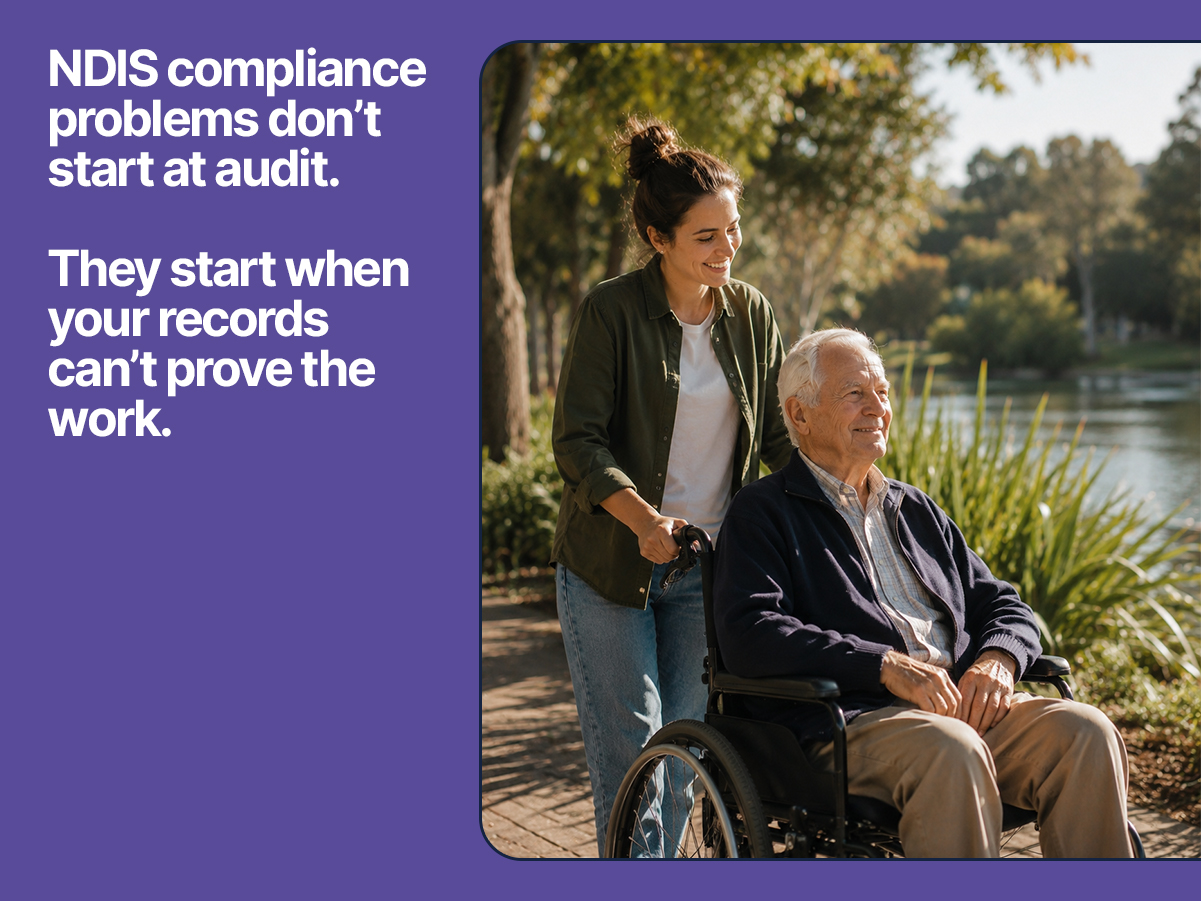
- Participant Documentation: Is your documentation process efficient and compliant with NDIS reporting requirements?
Financial Management * Budgetary Considerations: Have you allocated sufficient resources to cover the costs associated with onboarding new participants? * Funding Utilisation: Are there mechanisms in place to maximise the utilisation of participant funding?
- Quality Assurance: What measures are in place to ensure that service delivery meets NDIS quality standards?
- Feedback Systems: Do you have robust systems for collecting and acting on participant feedback?
- Contingency Planning: Are there contingency plans for potential challenges such as staff shortages or system failures?
- Insurance Coverage: Is your insurance cover comprehensive enough to cover any liabilities associated with increased participant numbers?
In the age of digital transformation, technology plays a pivotal role in ensuring readiness.
NDIS providers must leverage technology to streamline operations, enhance communication, and facilitate seamless participant interactions.
- Data Management Systems: Invest in sophisticated data management systems to handle participant data securely and efficiently.
- Communication Platforms: Utilise integrated communication platforms to maintain seamless interaction between participants, carers, and staff.
- Automation: Automate routine administrative tasks to free up resources for more strategic initiatives.
With increased reliance on technology comes the imperative of cybersecurity. NDIS providers must implement robust cybersecurity measures to protect sensitive participant data from breaches and unauthorised access.
Readiness is not a one-time achievement but a continuous journey.
As your organisation scales, ongoing evaluation and refinement of your systems and processes are necessary to ensure sustained excellence in service delivery.
Promote a culture of continuous learning within your organisation. Encourage staff to engage in regular training and professional development opportunities to stay abreast of NDIS developments and best practices.
Regular monitoring and evaluation of your systems and processes will help identify areas for improvement. Implementing feedback loops can provide valuable insights into participant satisfaction and operational efficiency.
As NDIS providers prepare to expand their participant base, the need for robust, scalable systems becomes increasingly critical.
By focusing on comprehensive readiness through training, a thorough readiness checklist, technological integration, and a commitment to continuous improvement, providers can ensure they are well-positioned to meet the needs of their next 50 participants with excellence and integrity.
By prioritising these elements, NDIS providers can not only enhance their operational efficiency but also significantly improve the quality of life for participants, fulfilling the core mission of the NDIS to provide better support for Australians with disabilities.
Prepare Your Business for the Next 50 Participants
As you prepare for your next 50 participants, your systems matter more than ever.
If your operations still rely on manual processes or disconnected tools, growth will come with friction.
With Dayspring Care (DSC), providers can centralise participant records, streamline workflows, and scale operations without increasing administrative pressure.
Because sustainable growth isn’t about doing more— it’s about having systems that can handle it.